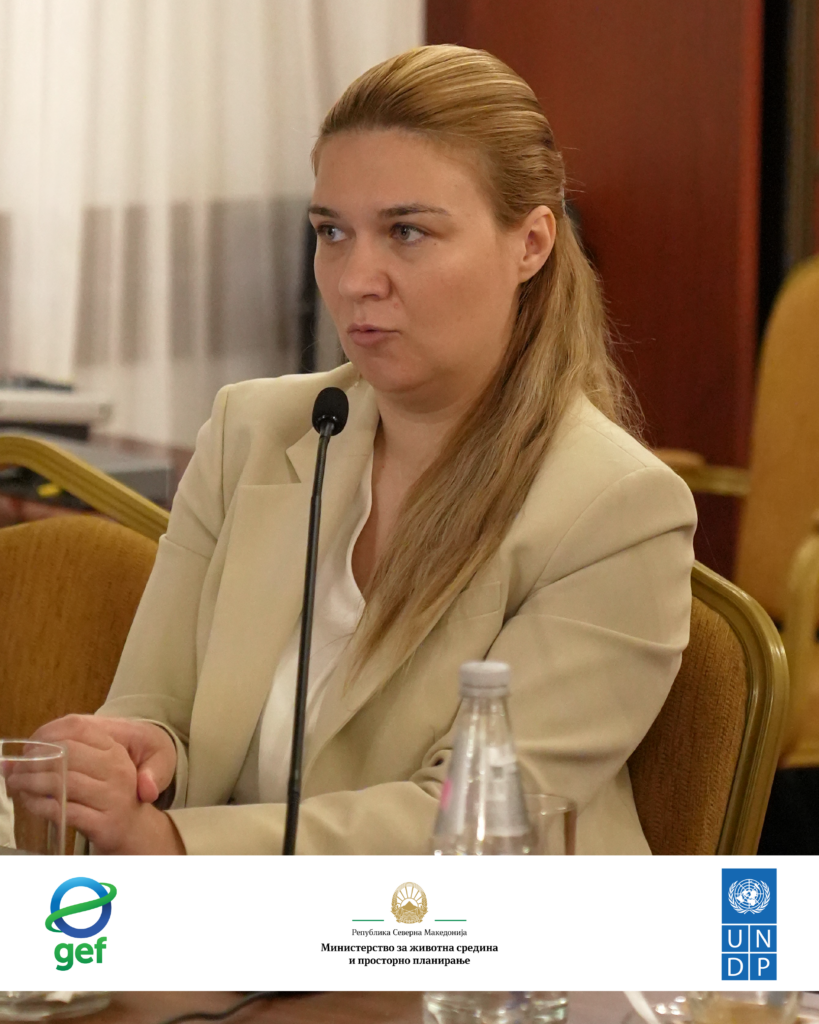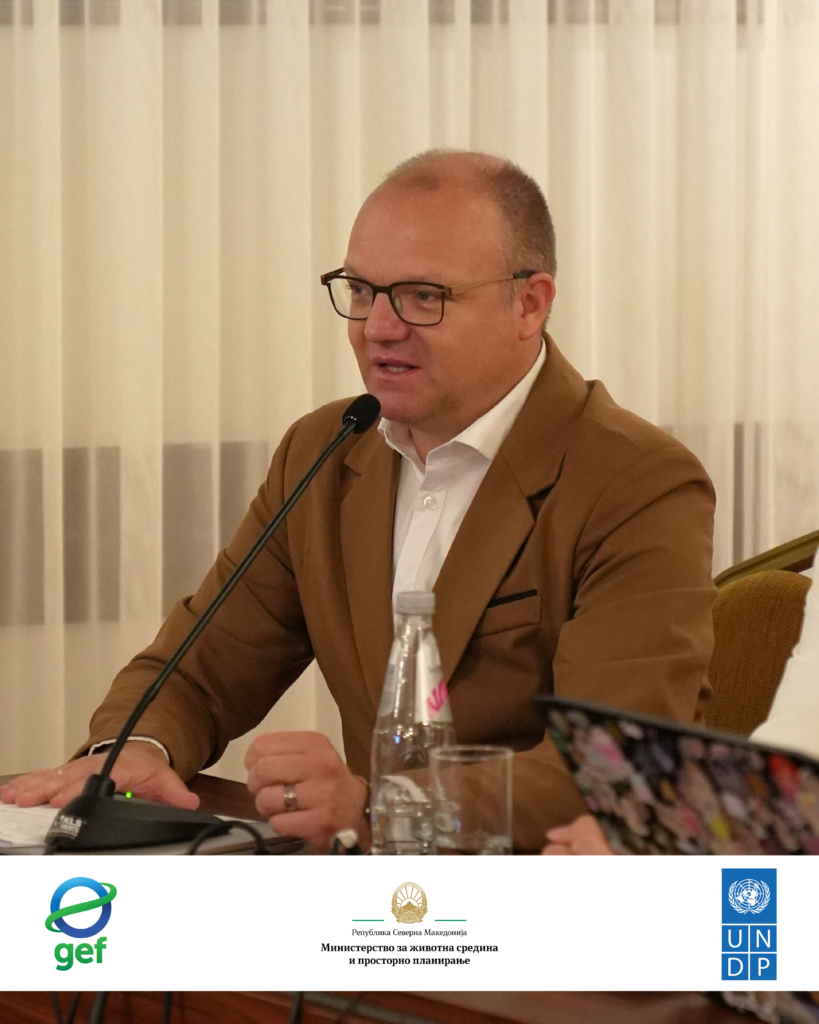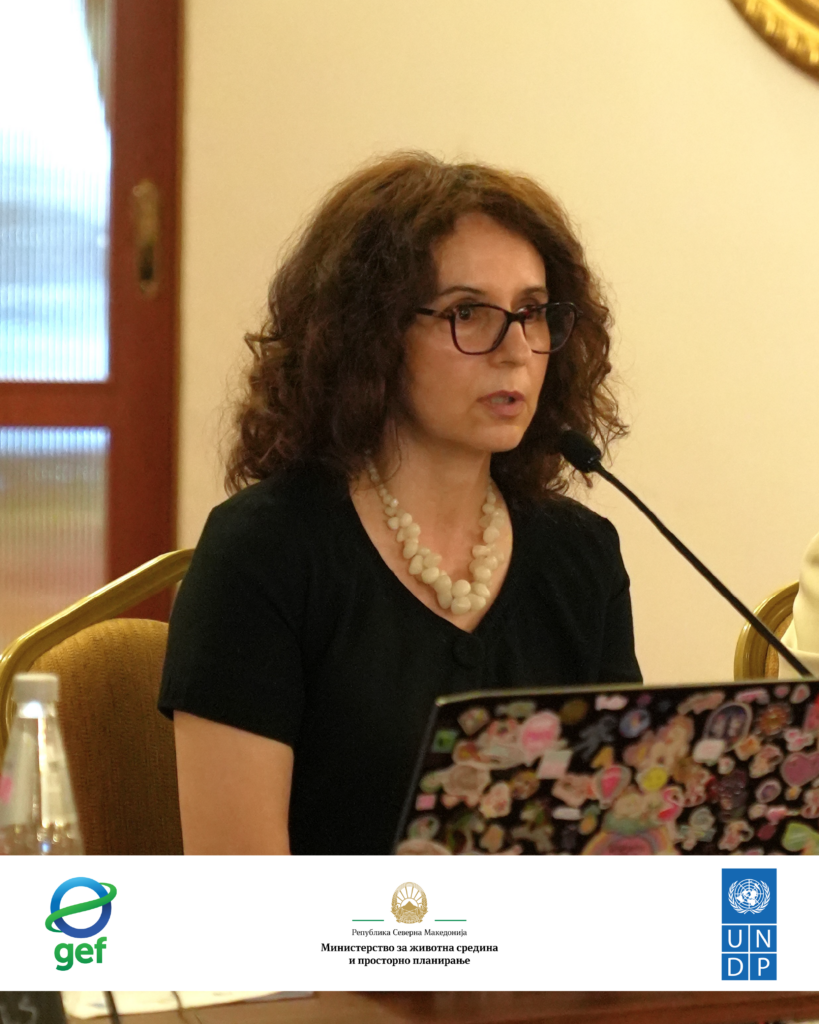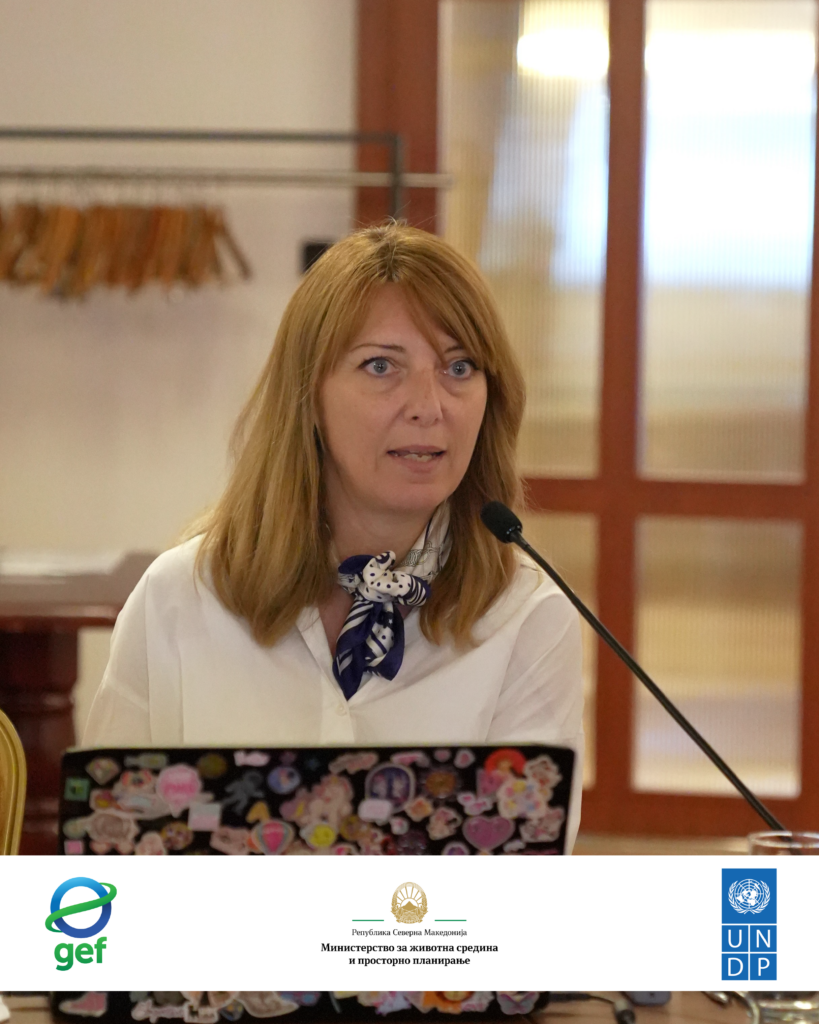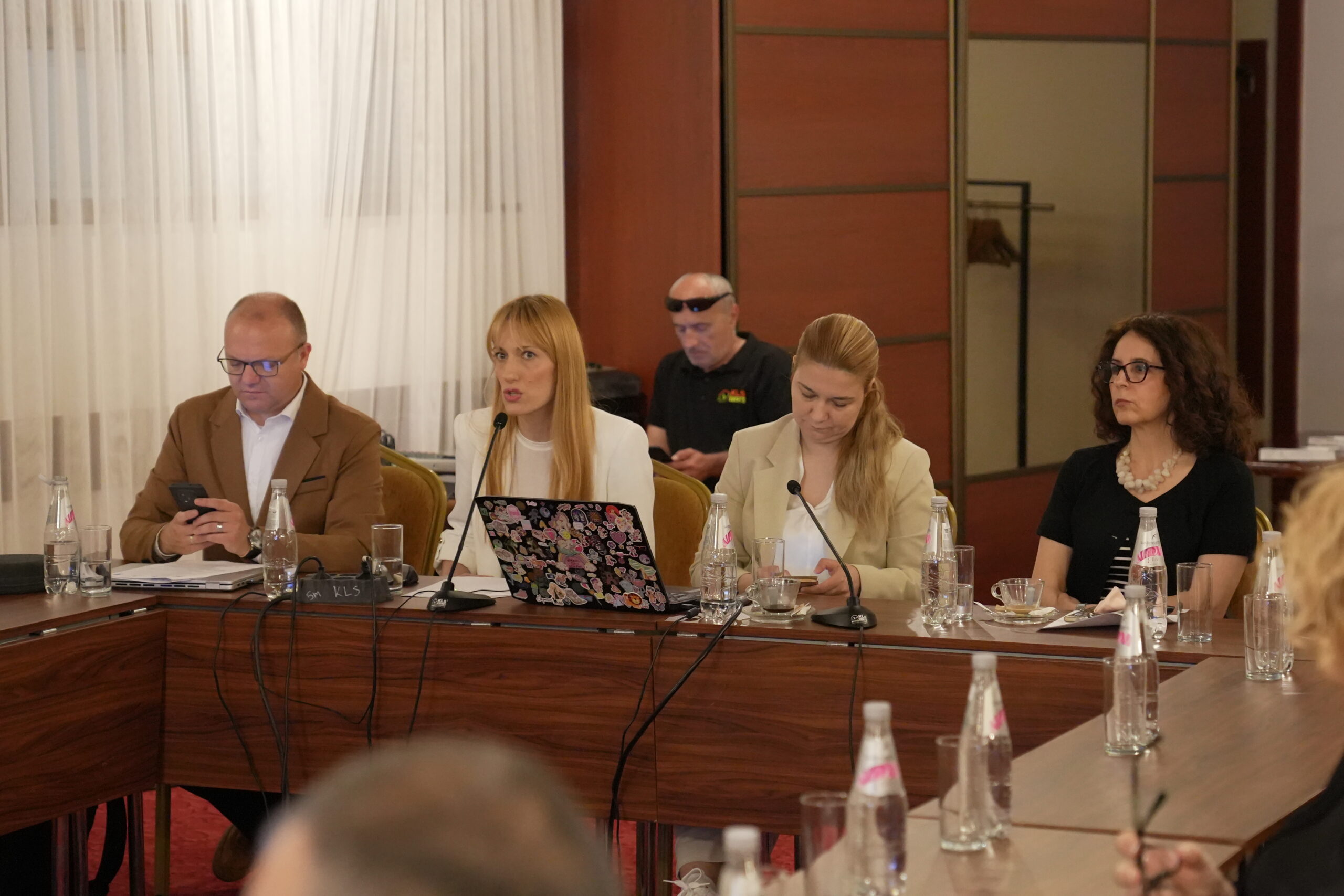
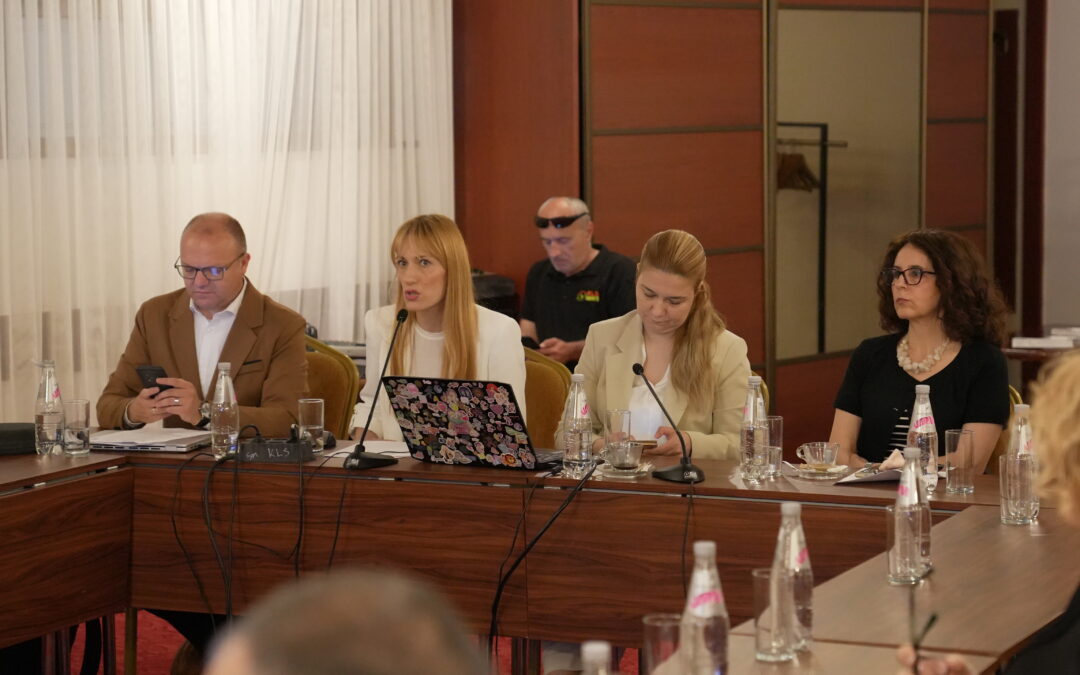
Training Module 2 on “Fundamentals of the Monitoring, Reporting and Verification (MRV) System and the Enhanced Transparency Framework (ETF)” was held on 3 June 2026 at the Stone Bridge Hotel in Skopje.
The training was organized as part of the capacity-building programme developed on the basis of the Training Needs Assessment and the Training Plan for MRV and Climate Governance. The objective of the training was to contribute to strengthening the institutional and technical capacities required for the establishment and operation of an effective climate transparency system in line with the requirements of the Paris Agreement and the Enhanced Transparency Framework (ETF).
In their opening remarks, project representatives emphasized the importance of a coordinated institutional approach and continuous capacity development for fulfilling national and international obligations in the field of climate change.
The training covered key topics related to the functioning of the national MRV/ETF system, institutional responsibilities and coordination in the preparation of Biennial Transparency Reports (BTRs), the application of the TACCC principles, as well as reporting on policies and measures and projections. Participants actively engaged in discussions and exchanged experiences regarding challenges and opportunities for the further improvement of the climate transparency system.
In addition, approaches, tools and methodologies for integrating climate change considerations into national policies and planning documents were presented and discussed, together with the role of research, innovation and technological development in the climate transition process and the preparation of transparency reports. Particular attention was also given to the importance of the gender perspective in the design and implementation of climate policies and actions.
The training represented the second of six priority training modules that form the core capacity-building package necessary for establishing and strengthening climate governance, the monitoring, reporting and verification system, transparent reporting mechanisms, and the future implementation of the Climate Action Law currently under development.
Through activities of this kind, a solid foundation is being created for improved coordination, more effective reporting, and greater transparency in the implementation of climate policies in North Macedonia.
The training was attended by approximately 35 representatives of relevant institutions, members of the broader Climate Change Project Working Group established by the Ministry of Environment and Physical Planning (MoEPP), experts in the field, and stakeholders responsible for the implementation of project activities.
The training was organized within the project “Development of the First Biennial Transparency Report of North Macedonia and the Combined Second Biennial Transparency Report and Fifth National Communication to the UNFCCC (BTR1 and BTR2/NC5)”. The project is supported by the Global Environment Facility (GEF), with the United Nations Development Programme (UNDP) serving as the implementing agency, the Ministry of Environment and Physical Planning (MoEPP) as the implementing partner, and the Institute for Good Governance and Policies in Environment and Climate Change (IPECC) as one of the entities engaged in the implementation of project activities.