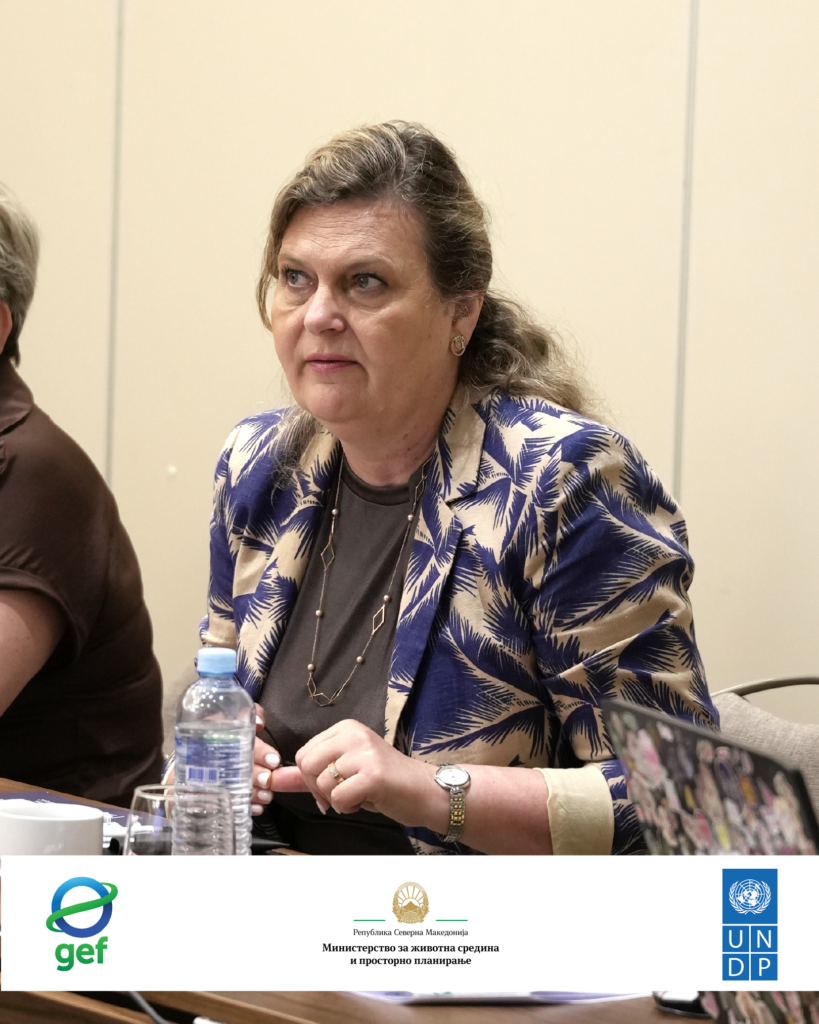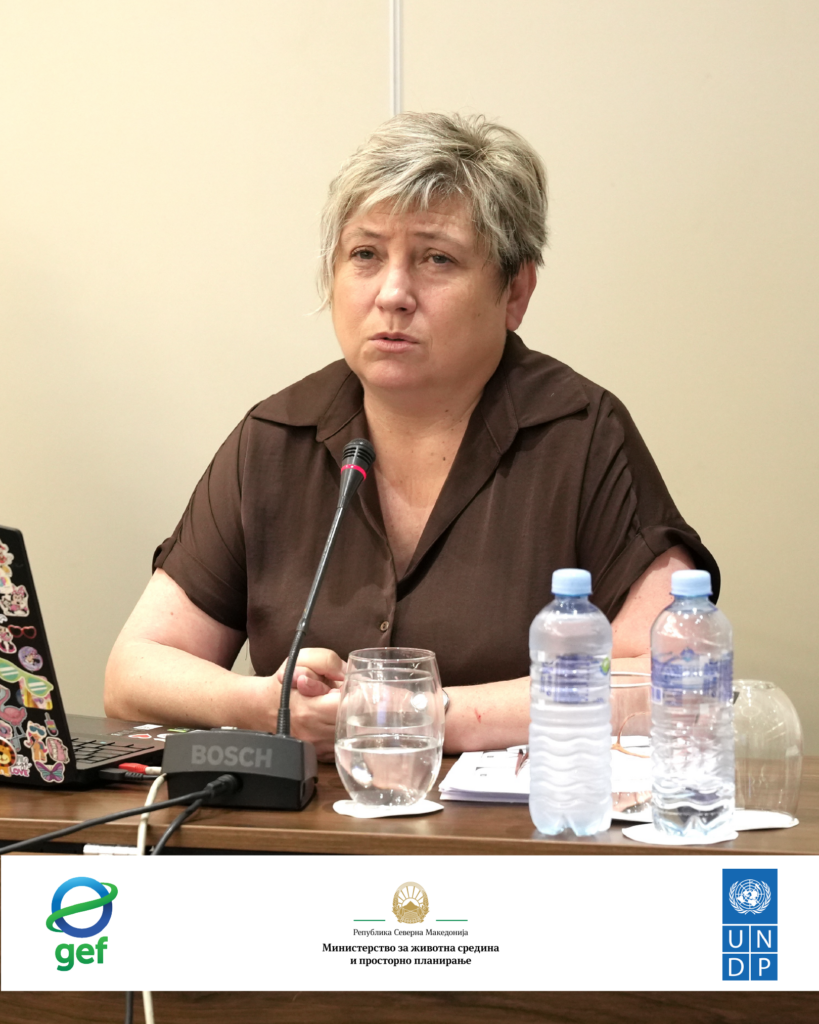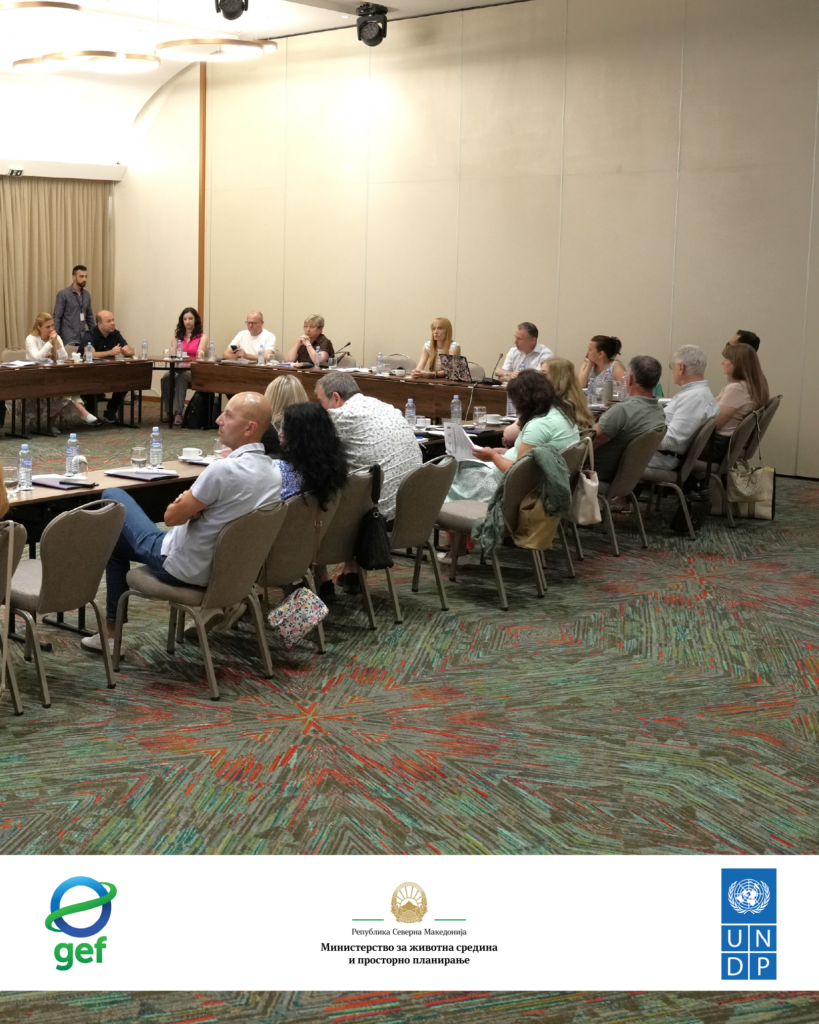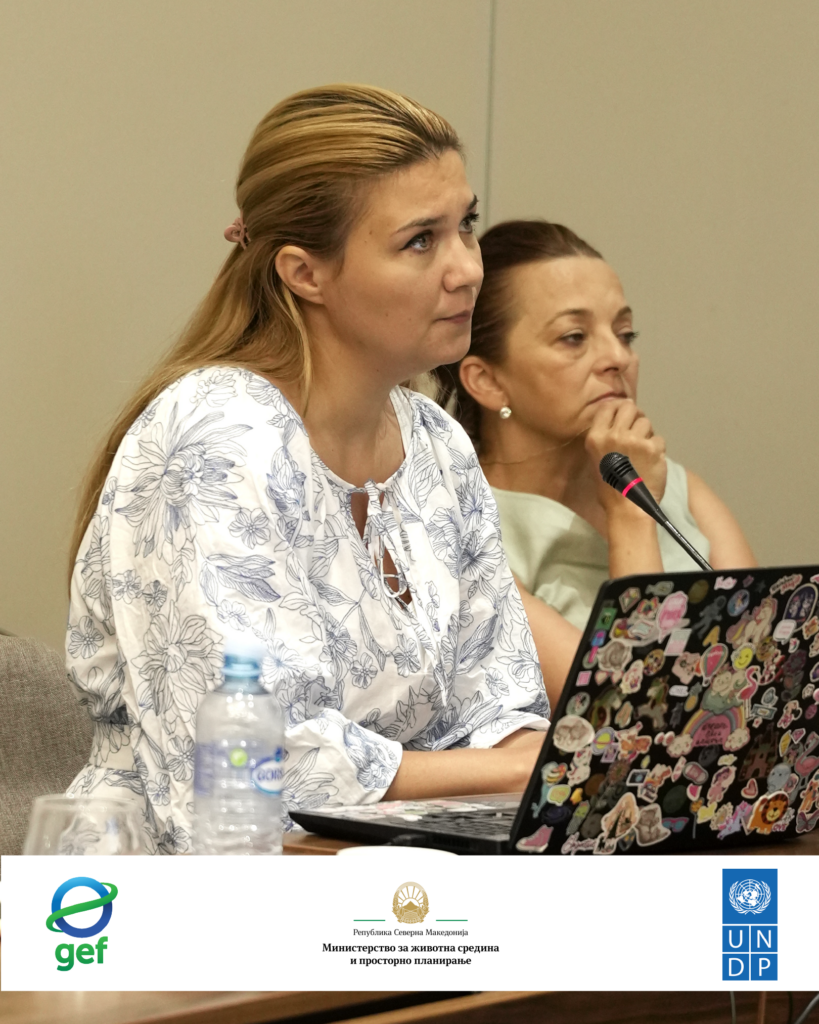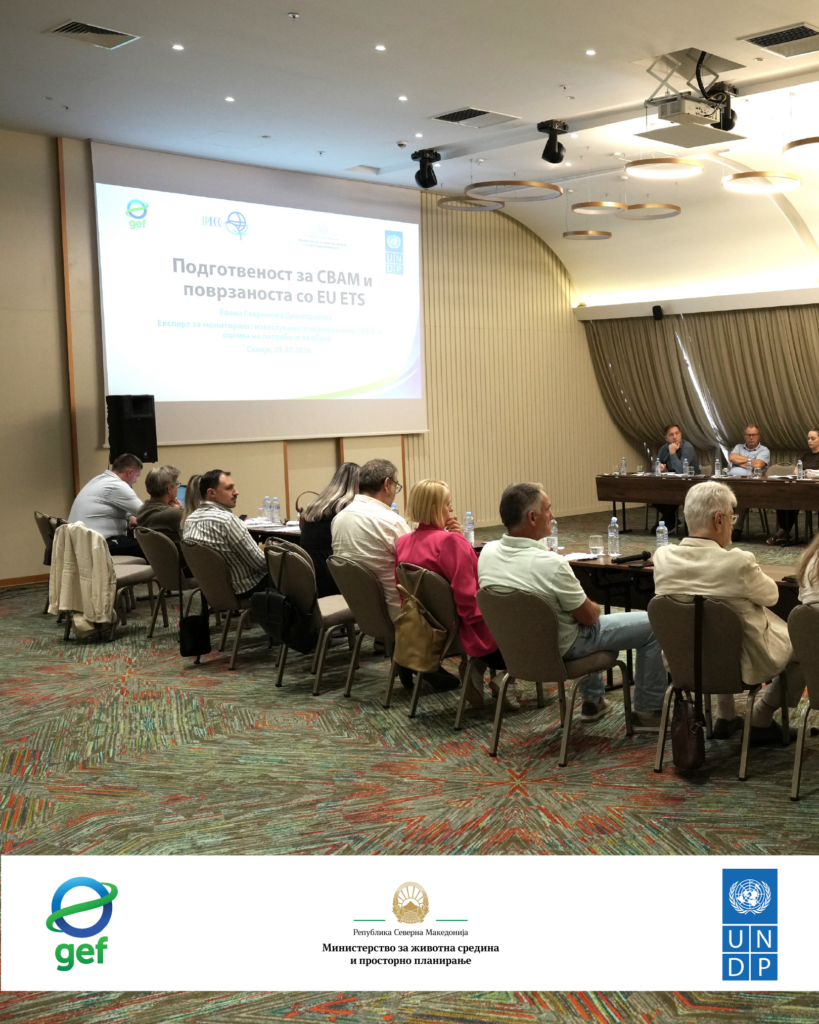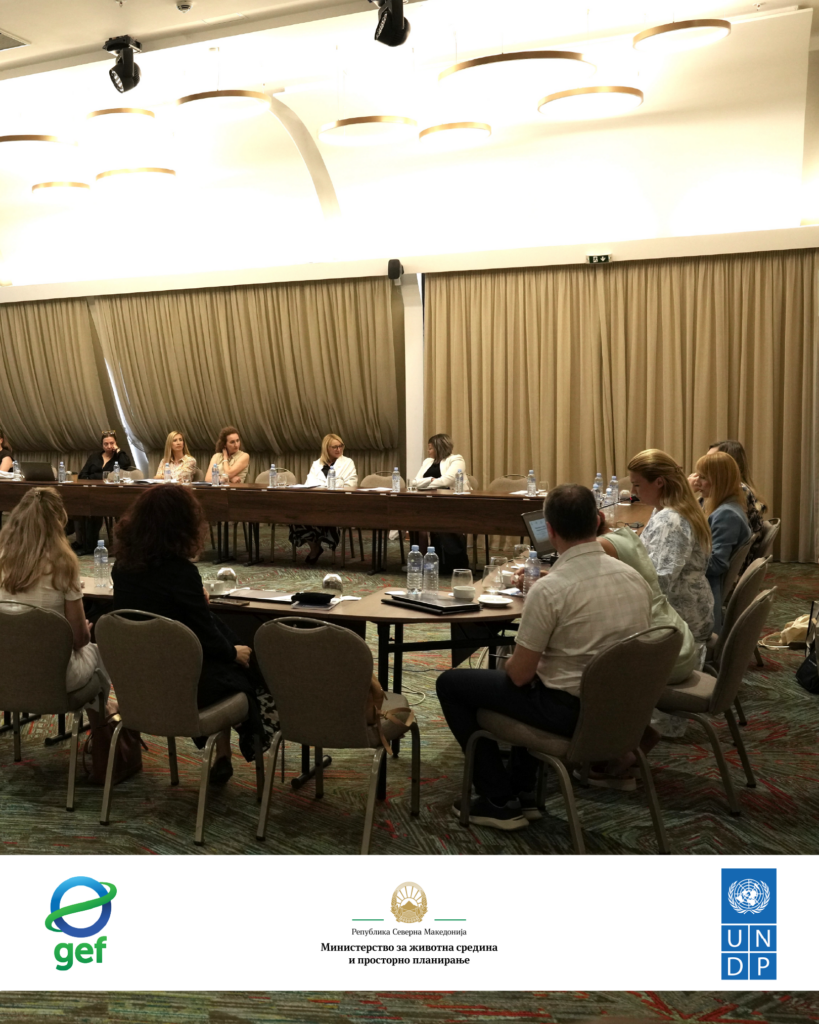

Training Modules 4 and 5, dedicated to the Legal Requirements for establishing the Monitoring, Reporting, Verification and Accreditation (MRVA) system, and the Industry sector, verification and readiness for the Carbon Border Adjustment Mechanism (CBAM), were held on 8 and 9 July 2026 in Skopje.
More than 35 participants attended the training, including representatives of relevant institutions, members of the broader Climate Change Project Working Group established by the Ministry of Environment and Physical Planning, experts in the field, as well as representatives of organisations involved in the implementation of the project.
The trainings were organised within the framework of the project “Development of North Macedonia’s First Biennial Transparency Report and Combined Second Biennial Transparency Report and Fifth National Communication on Climate Change (BTR1 and BTR2/NC5)”, implemented with the support of the GEF, with UNDP serving as the implementing entity, the Ministry of Environment and Physical Planning (MoEPP) as the implementing partner, and IPECC as one of the parties engaged in the implementation of project activities.
The event was opened by representatives of MoEPP and UNDP, who highlighted the importance of strengthening national institutional capacities to implement the new climate legislation and fulfil the obligations arising from the Paris Agreement and North Macedonia’s EU accession process.
The first day focused on the legal aspects of the MRVA system. Key provisions of the Draft Climate Action Law, the national MRVA system, the EU ETS framework, regulations on greenhouse gas emissions verification, and the accreditation system for verification bodies were presented. Particular attention was paid to institutional responsibilities and challenges related to practical implementation.
The second day was dedicated to the industrial sector and preparations for the application of the CBAM mechanism. Through presentations and interactive discussions, participants addressed topics related to the functioning of the EU ETS, monitoring and reporting of greenhouse gas emissions, the verification process, the national institutional framework, as well as the linkages between the EU ETS and CBAM and their significance for domestic industry.
The trainings were delivered by national and international experts in the fields of climate policy, legislation, industrial emissions, verification and accreditation. Through practical examples and open discussions, they contributed to deepening participants’ knowledge and facilitating the exchange of experiences among representatives of relevant institutions.
These training modules form part of a broader capacity-building programme for climate governance and the establishment of a functional national monitoring, reporting, verification and accreditation system, with the aim of ensuring alignment with European legislation and fulfilling North Macedonia’s international obligations in the field of climate change.
The Ministry of Environment and Physical Planning, UNDP and IPECC will continue implementing the planned activities aimed at strengthening institutional and technical capacities, making an important contribution to improving the national climate governance system and supporting the successful implementation of the future Climate Action Law.