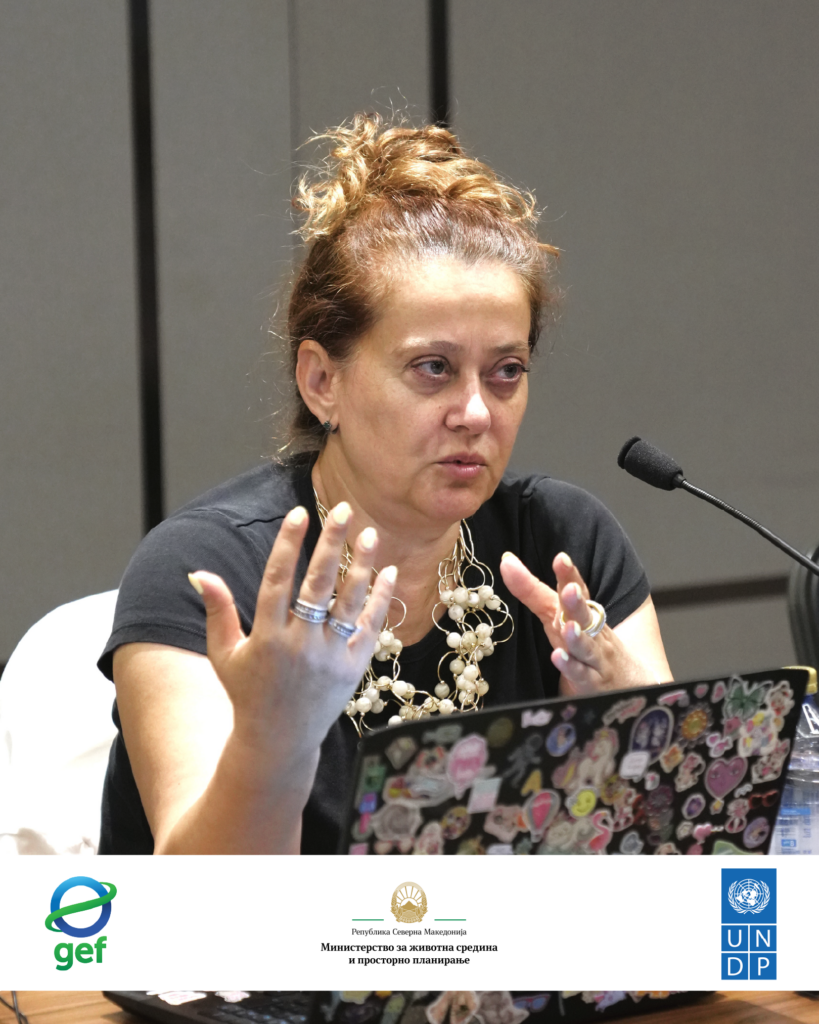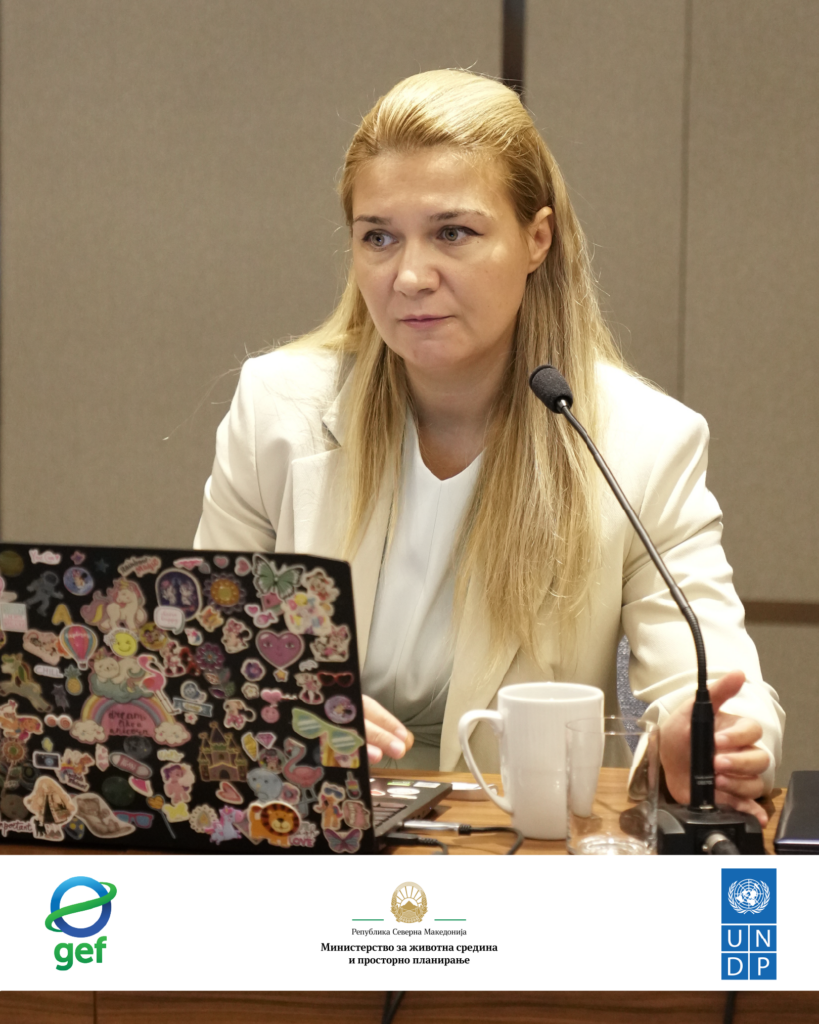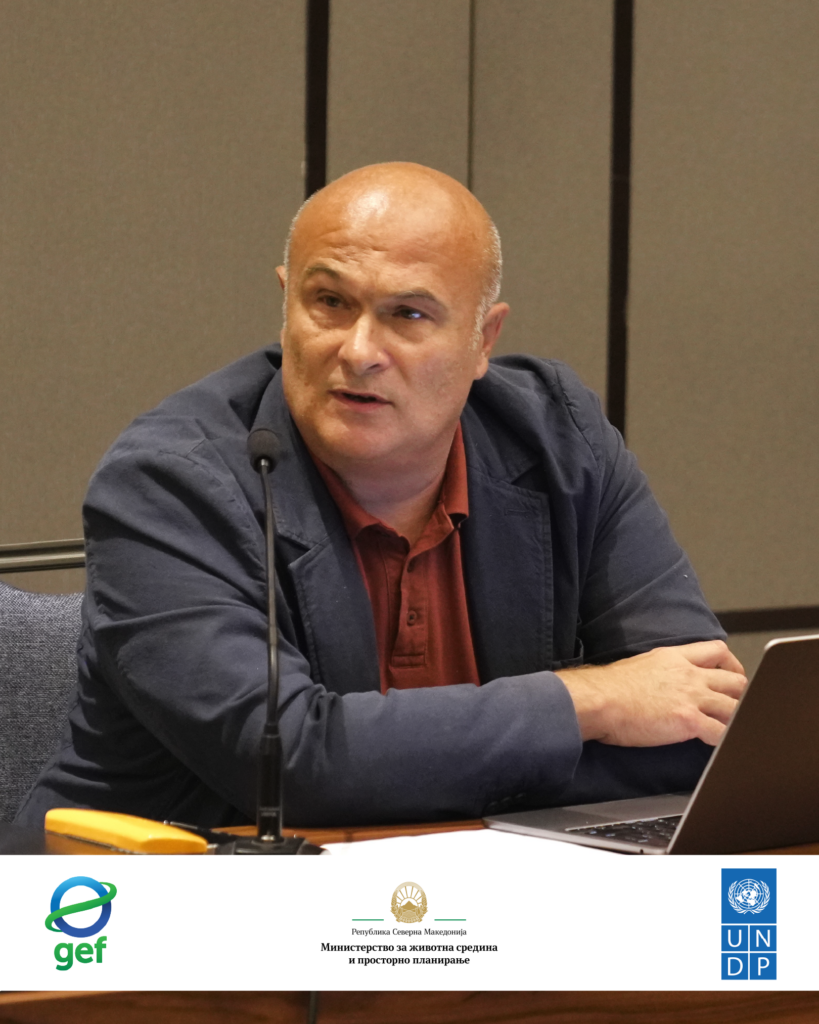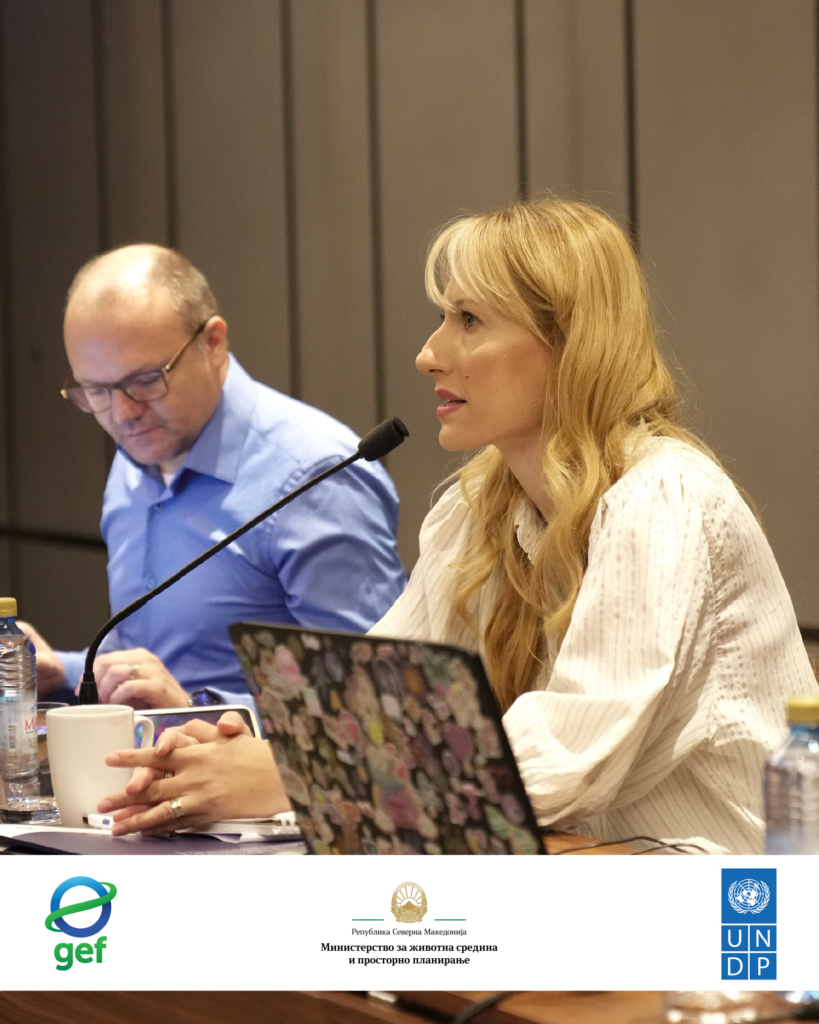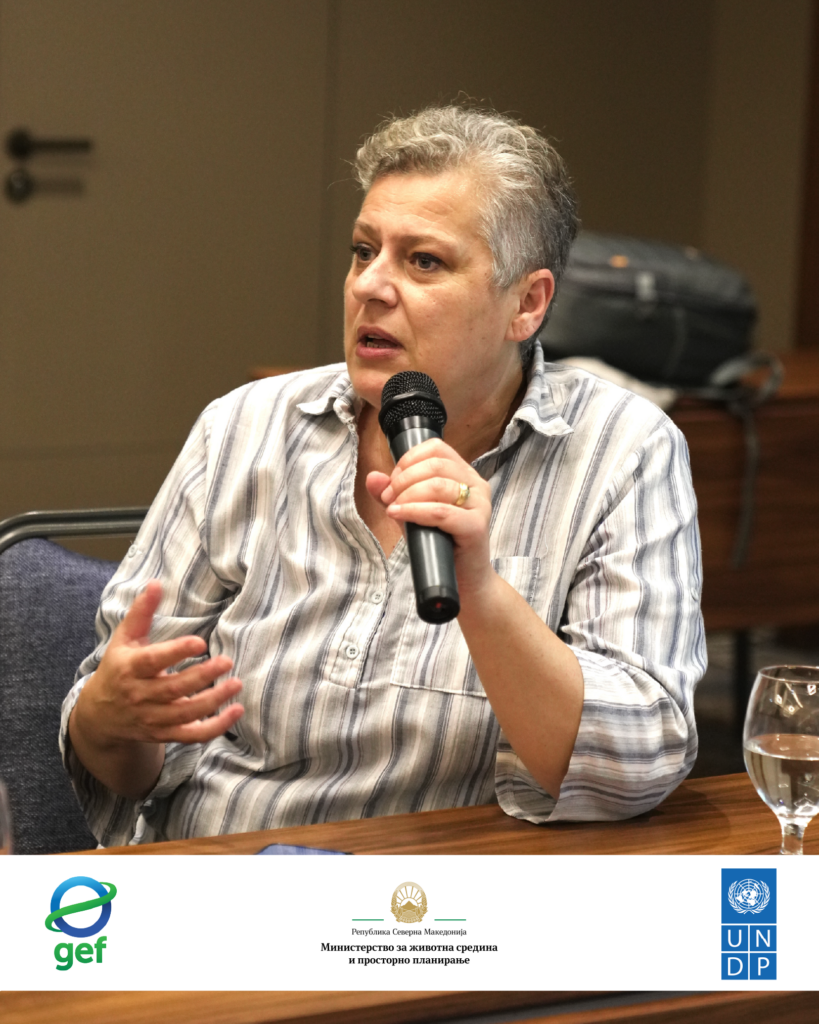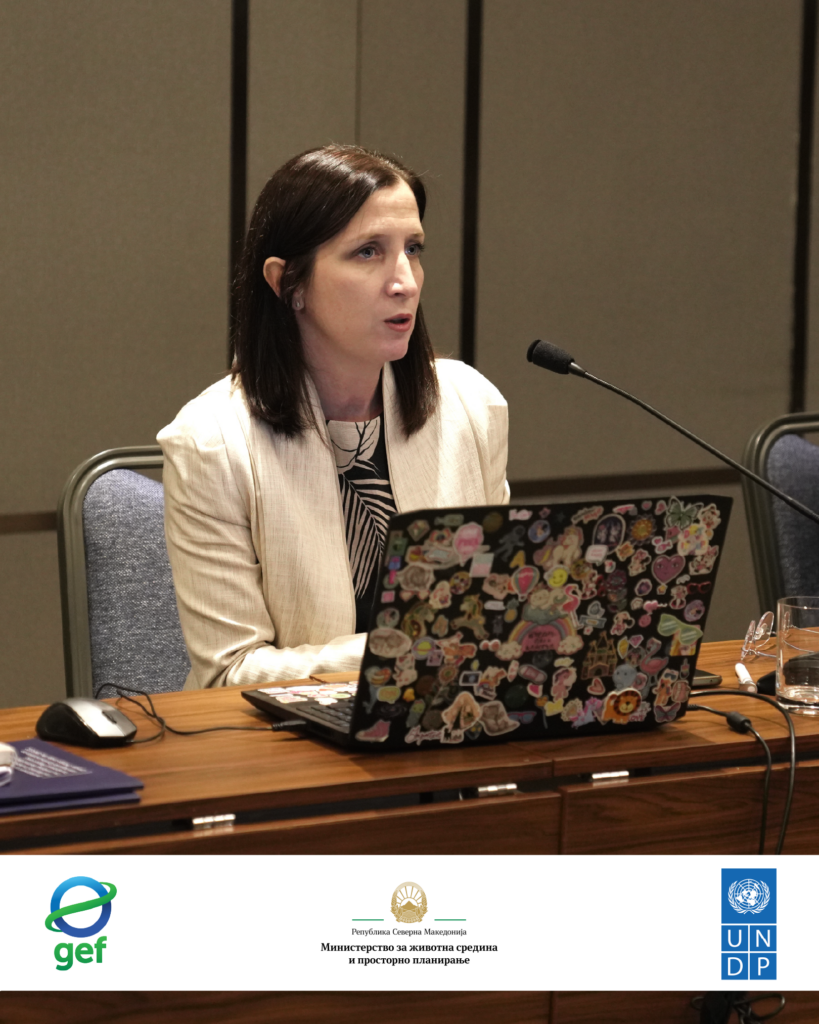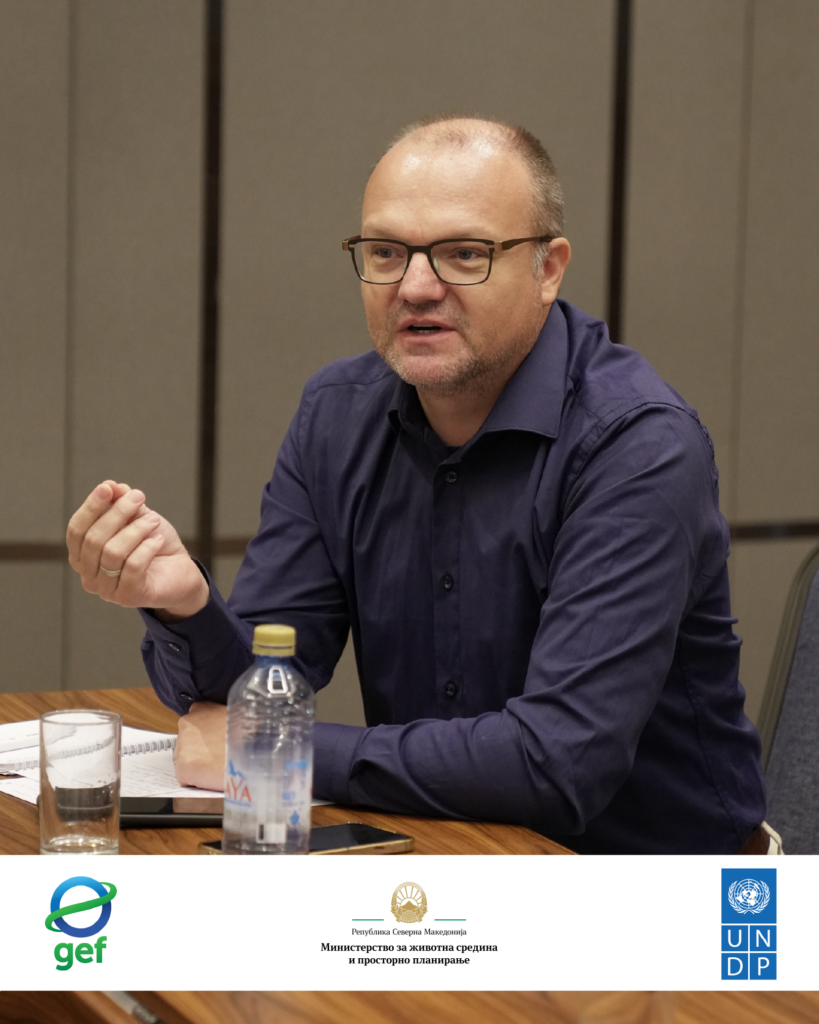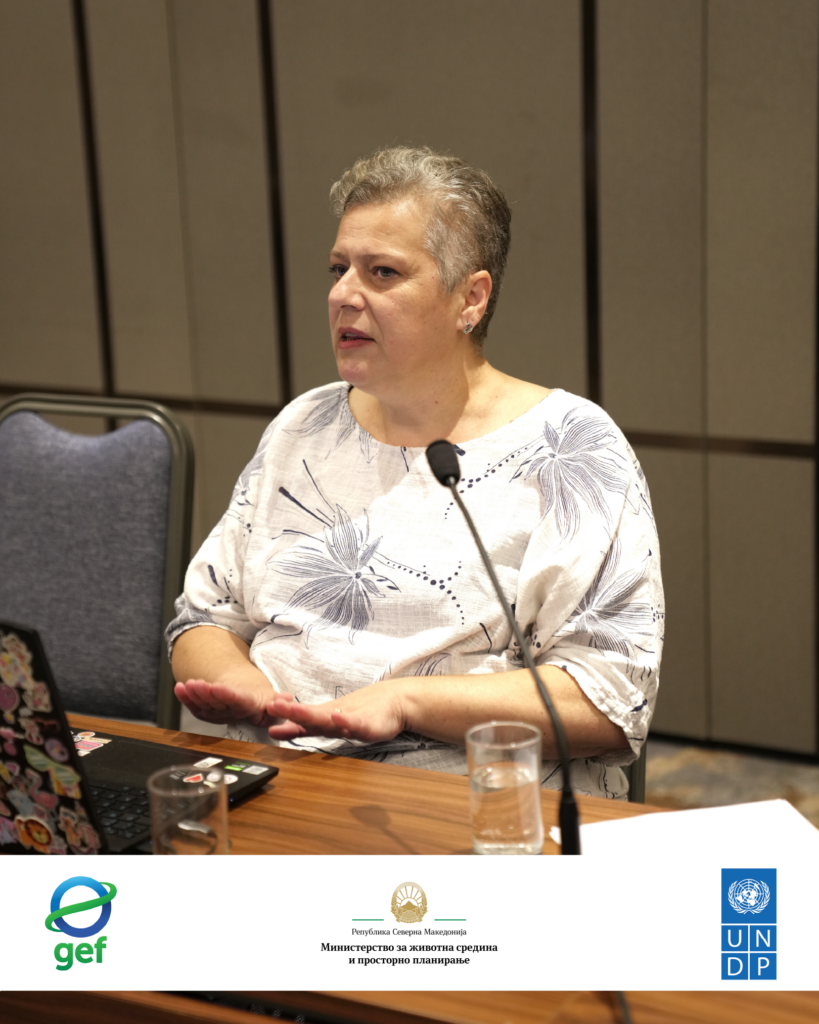

On 16 and 17 September 2026, a two-day training was held in Skopje, focusing on the implementation of the Climate Action Law, as well as on climate change adaptation and resilience.
The training covered Module 3: “Implementation of the Climate Action Law” and Module 6: “Climate Change Adaptation and Resilience and Establishment of a National Adaptation Coordination Mechanism.”
The two-day training provided participants with an opportunity to become familiar with key aspects related to the future implementation of climate legislation, institutional arrangements, reporting and coordination systems, as well as the need to integrate climate considerations into various sectoral policies and planning processes.
Module 3 – Implementation of the Climate Action Law
The training held on 16 September focused on the practical and institutional aspects of implementing the Climate Action Law.
As part of the module, an overview of the Draft Climate Action Law was provided, with particular emphasis on the pathways towards climate neutrality and business sustainability. The reporting obligations of public institutions concerning greenhouse gas emissions were also examined, including the preparation of inventories, policies and measures, projections, and monitoring progress towards climate targets in accordance with national, European, and international requirements.
Particular attention was given to the proposed MRV-A Coordination and Communication Platform, including its governance, information flows, and digital architecture.
Participants also had the opportunity to learn about the new institutional arrangements for climate governance within the Ministry of Environment and Physical Planning, as well as approaches to integrating climate action into sectoral planning in line with the proposed legislative provisions.
Module 6 – Climate Change Adaptation and Resilience
The training held on 17 September focused on climate change adaptation and resilience and the establishment of a national adaptation coordination mechanism.
During this module, the national context for climate change adaptation and the institutional requirements for establishing an effective coordination mechanism were examined. Particular attention was given to monitoring, evaluation, and reporting on adaptation, as important elements for tracking progress and the impacts of adaptation measures.
As part of the broader approach to climate governance, the integration of gender equality into the Climate Action Law was also discussed, with a focus on the importance of incorporating a gender perspective into climate policies and aligning it with relevant international frameworks.
The training also covered the role of higher education and leadership in the field of climate adaptation, with an emphasis on integrating climate change into higher education, research, and innovation.
The training was delivered with the support of experts from various fields related to climate change, climate governance, the MRV system, institutional development, climate mainstreaming, gender equality, and higher education.
In addition to the presentations, open discussions, the exchange of experiences, and practical exercises represented an important part of the programme, enabling participants to actively engage in examining the challenges and opportunities related to the implementation of climate legislation and the establishment of adaptation mechanisms.
Approximately 35 representatives participated in each of the two training days. The trainings contributed to the continued process of strengthening institutional and technical capacities in the field of climate change and to a better understanding of the roles, obligations, and mechanisms required for the effective implementation of climate policies and the fulfilment of North Macedonia’s national and international commitments.
The training was organized as part of the project “Development of North Macedonia’s First Biennial Transparency Report and the Combined Second Biennial Transparency Report and Fifth National Communication under the UNFCCC (BTR1 and BTR2/NC5).”
The project is implemented with the support of the GEF, with UNDP as the implementing agency, MoEPP as the implementing partner, and IPECC as one of the parties engaged in the implementation of project activities.