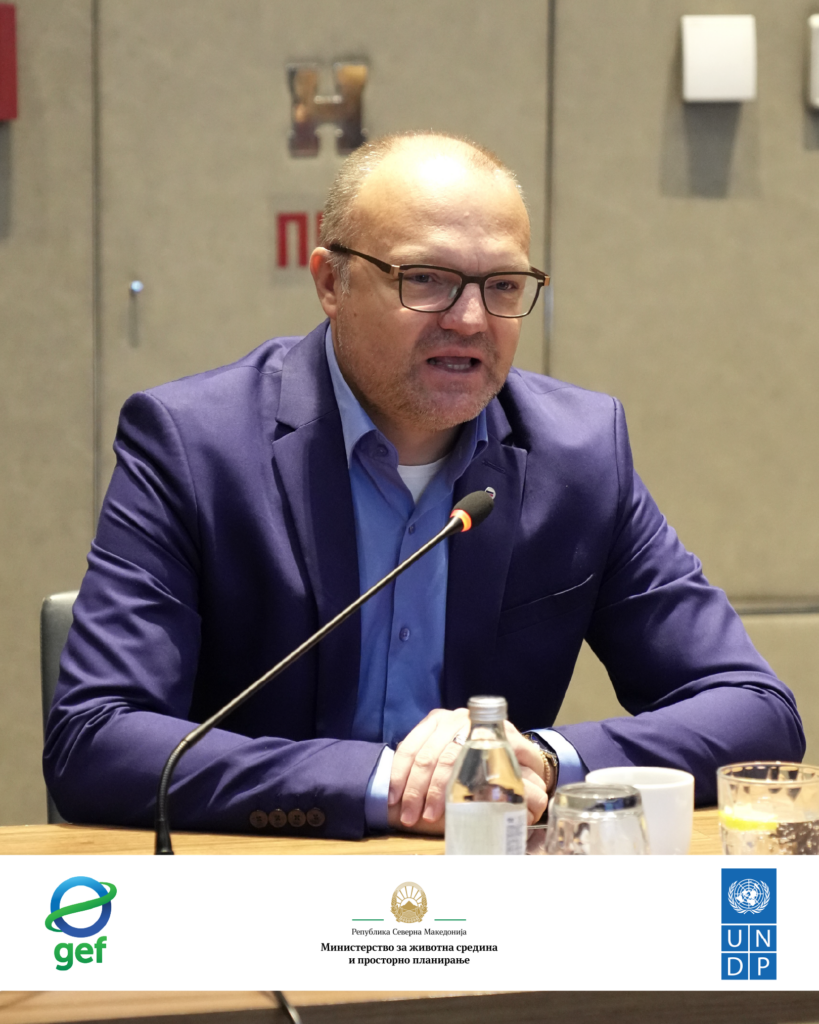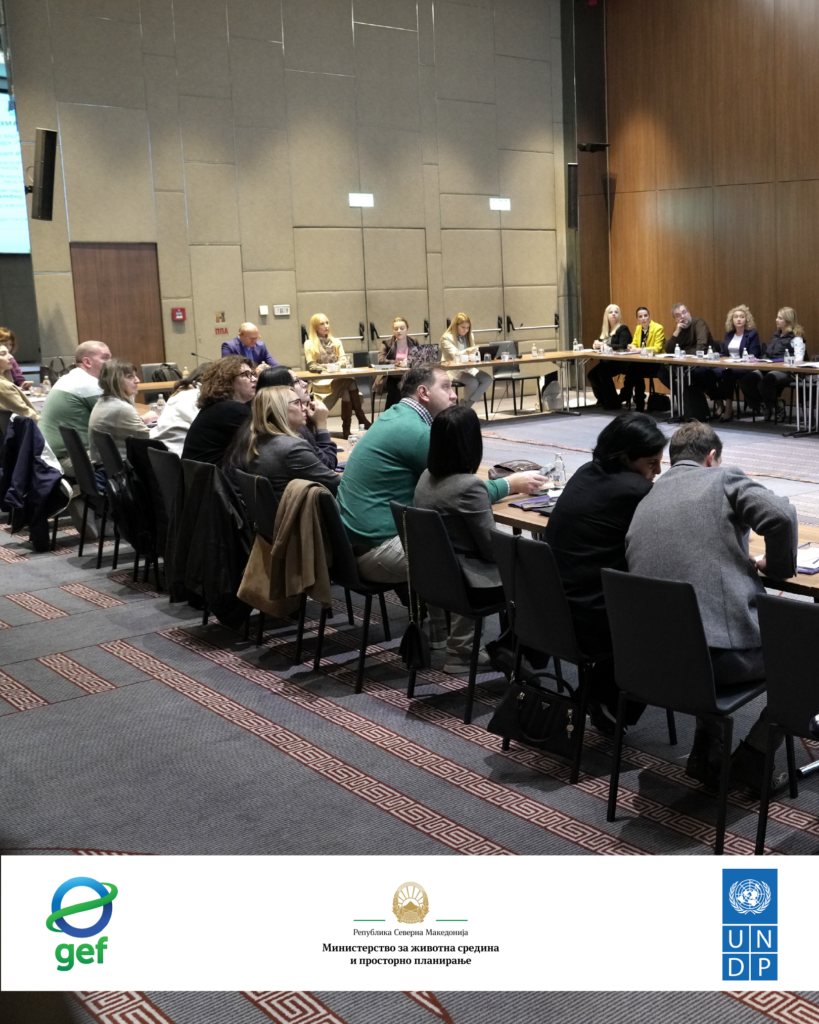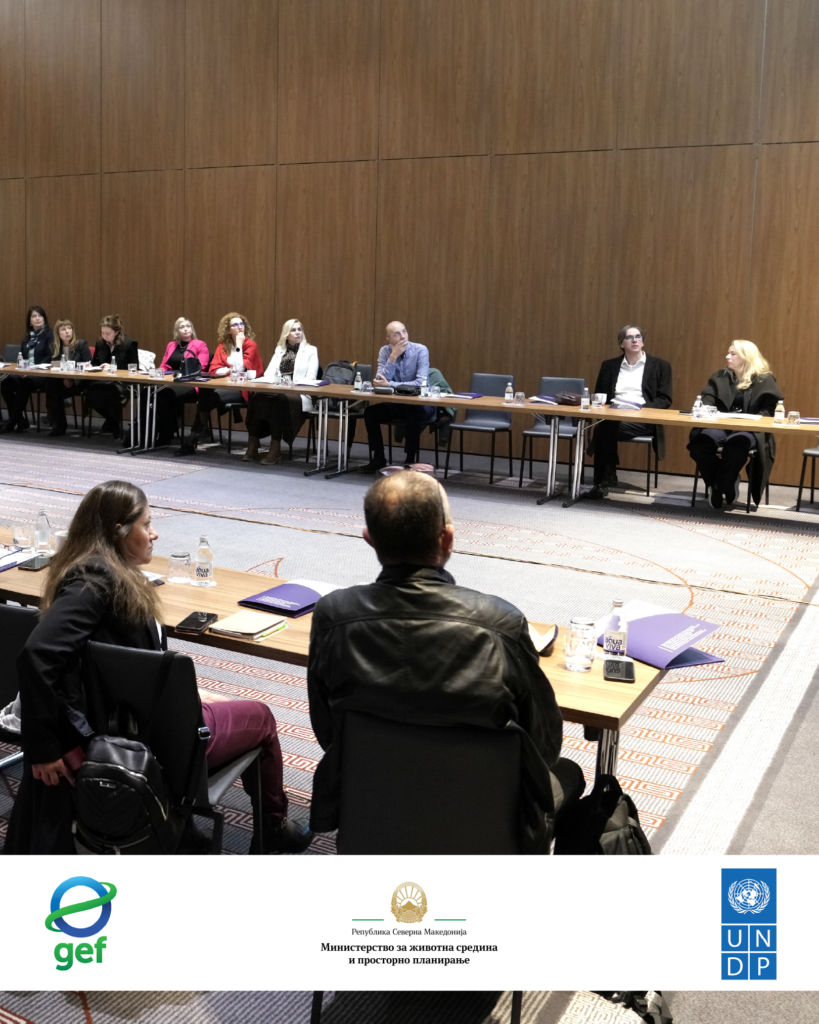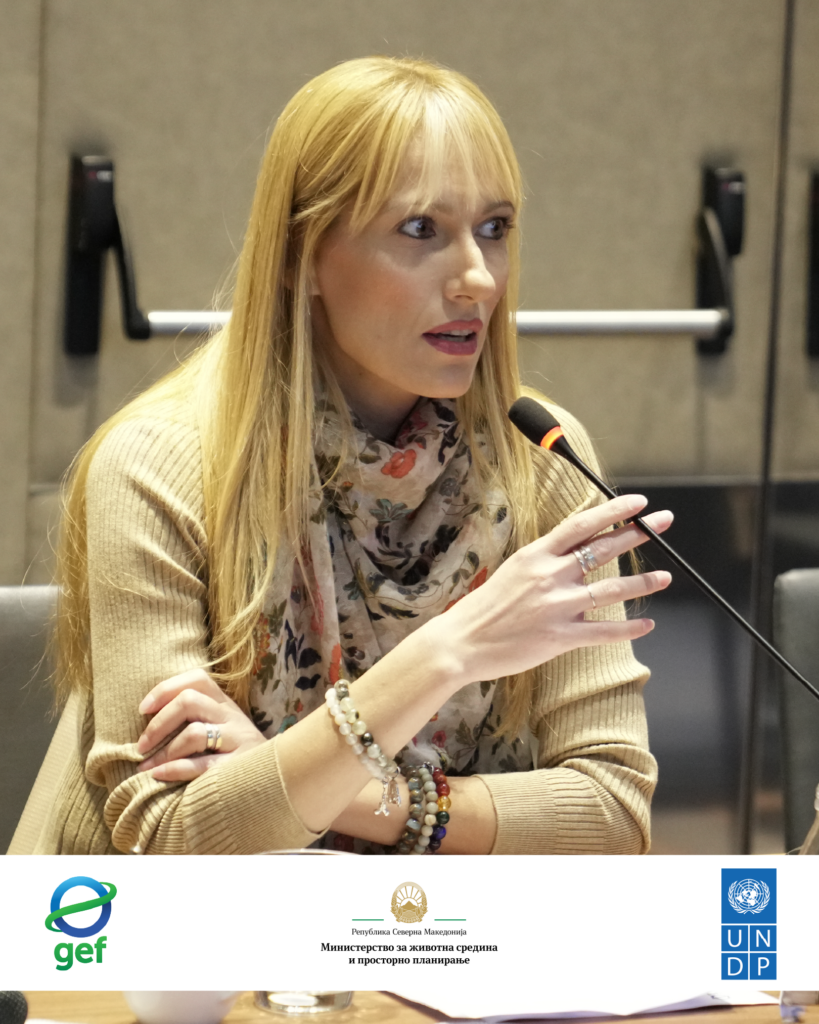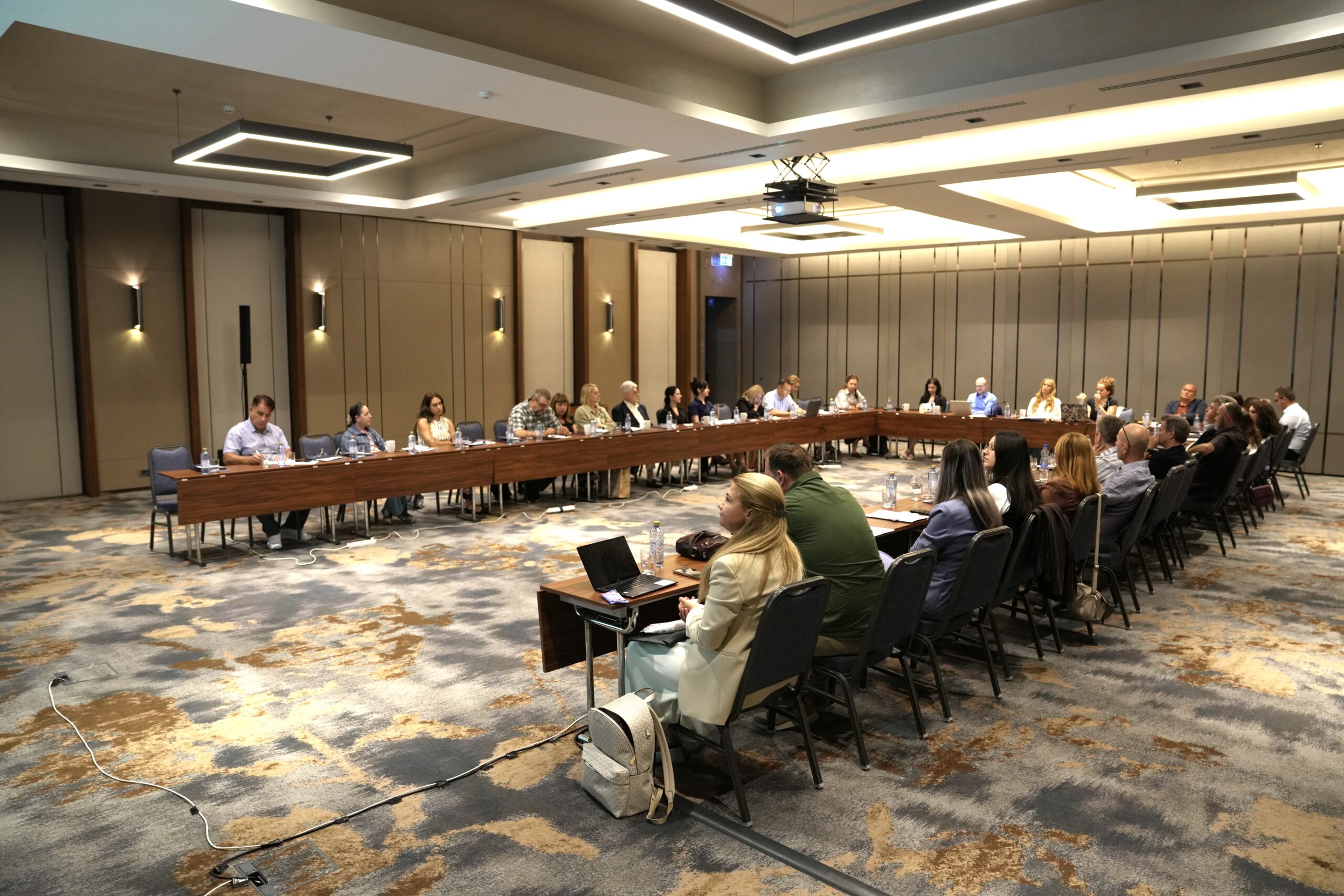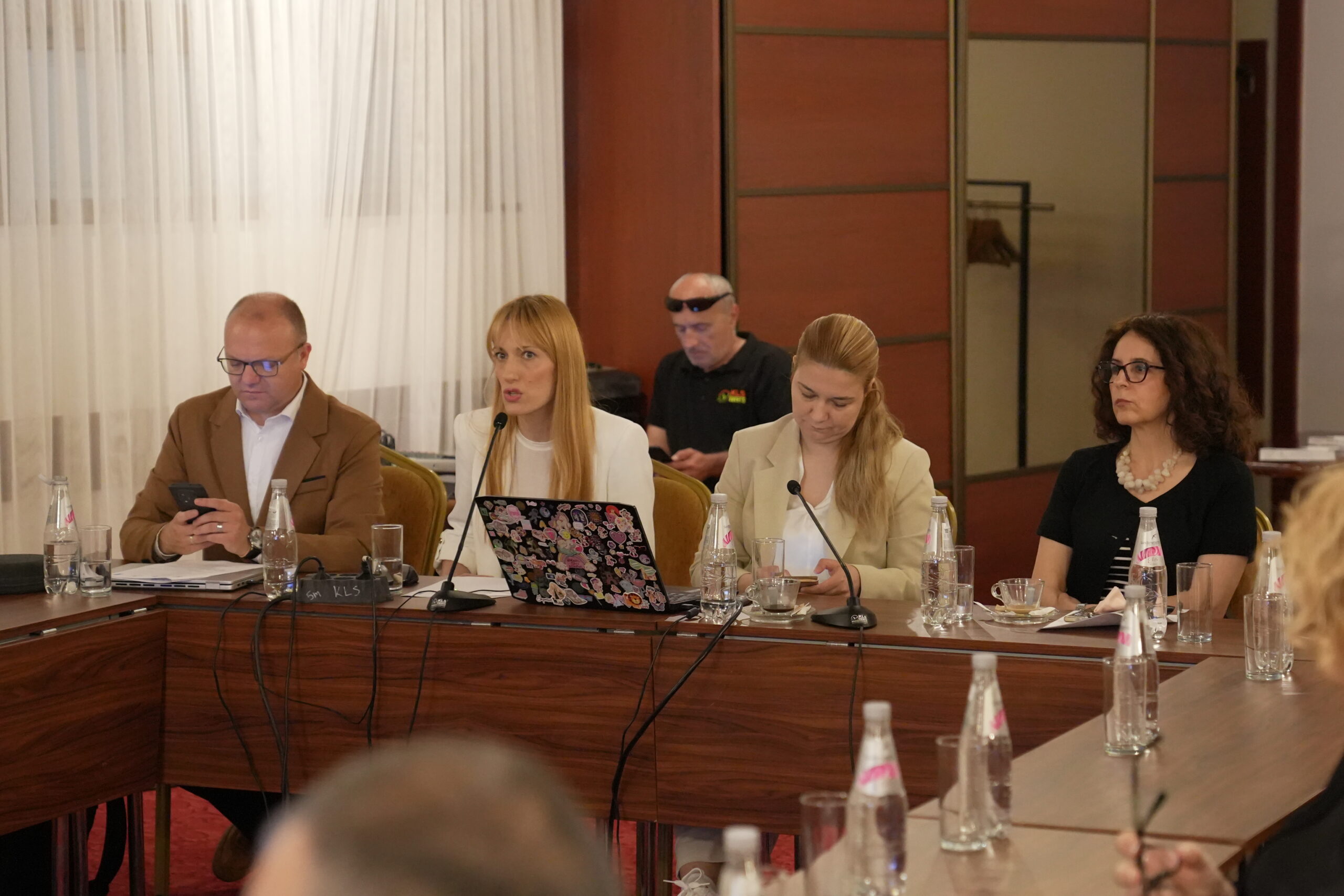
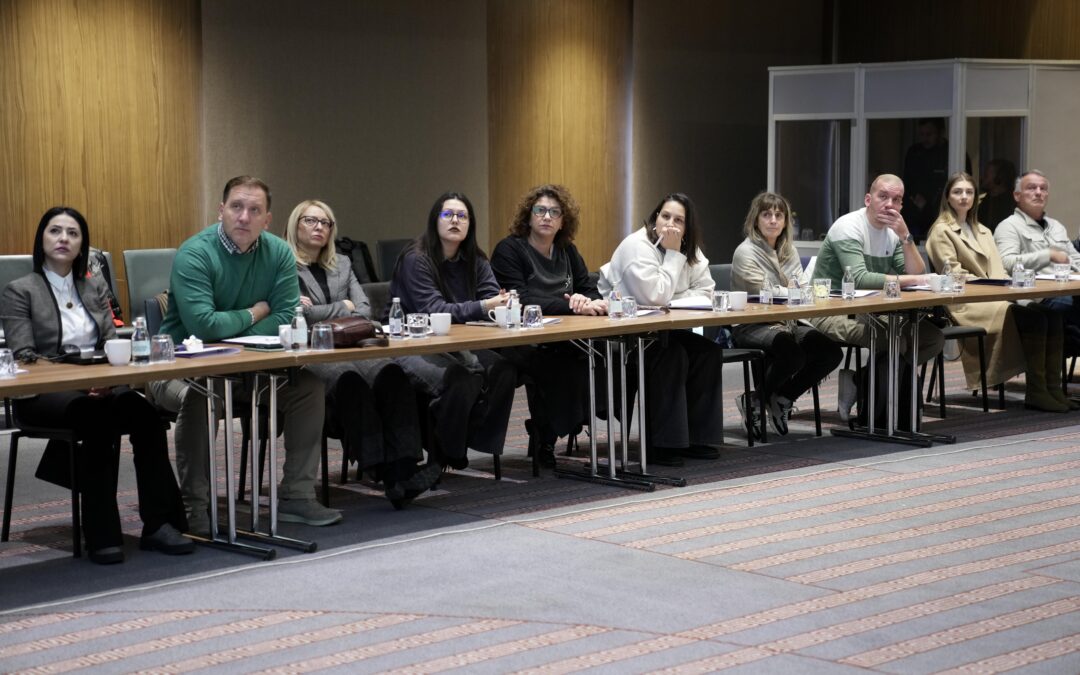
On 28 October 2026, a workshop dedicated to the presentation of selected draft secondary legislation, namely rulebooks deriving from the Draft Law on Climate Action, was held in Skopje, with a focus on the establishment and operationalisation of the system for the monitoring, reporting, verification and accreditation (MRV/MRVA) of greenhouse gas emissions.
During the workshop, the draft Rulebook on the requirements to be fulfilled by verifiers, the general and specific competence requirements for persons carrying out verification, the verification procedure, as well as the format, content and method of preparation of the Verification Report on the Annual Greenhouse Gas Emissions Report of Stationary Installation Operators and Aircraft Operators, was presented. Particular attention was also given to its alignment with Commission Implementing Regulation (EU) 2018/2067, as well as to gathering comments and feedback from stakeholders, with the aim of further improving the proposed provisions prior to their adoption.
The workshop was organised as part of the project “Development of North Macedonia’s First Biennial Transparency Report and the Combined Second Biennial Transparency Report and Fifth National Communication on Climate Change under the UNFCCC (BTR1 and BTR2/NC5)”.
In addition to the draft secondary legislation, participants were presented with a summary overview of the draft Greenhouse Gas Inventory for the period 2023–2024, as well as the draft Technology Needs Assessment Report for climate change mitigation and adaptation, developed under the same project.
The workshop was supported by experts with diverse professional backgrounds in the fields of climate legislation and governance, the MRV/MRVA system, mainstreaming climate actions into sectoral policies, gender equality and higher education.
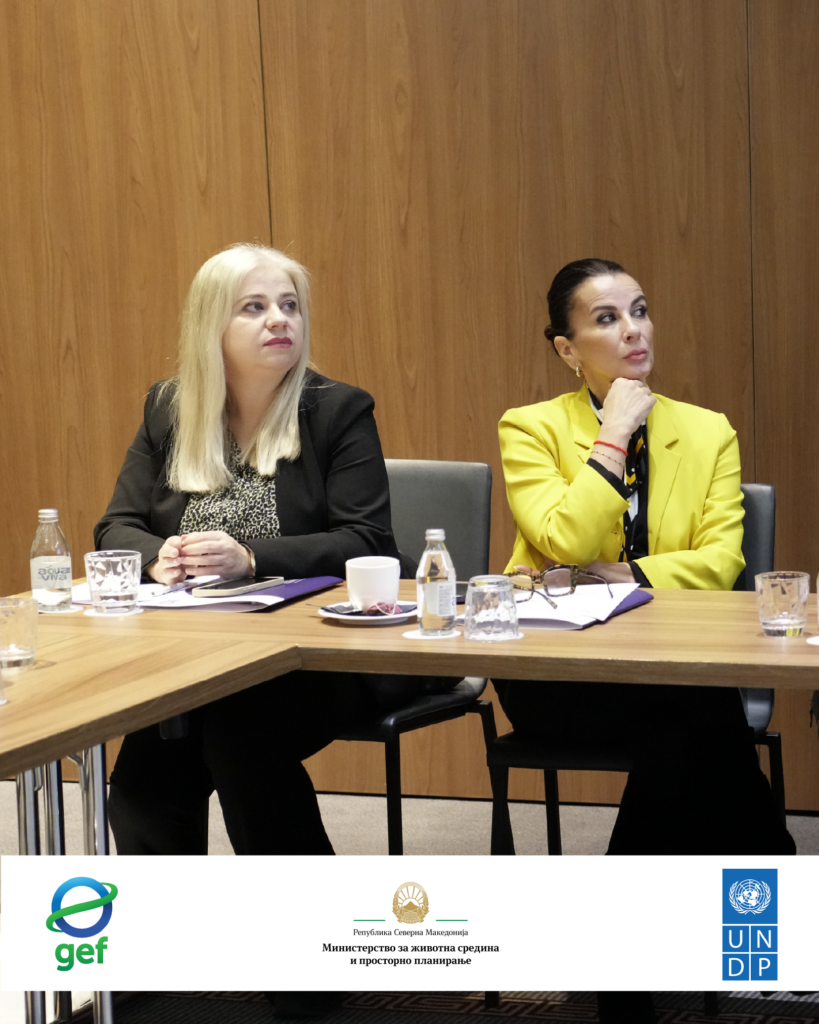
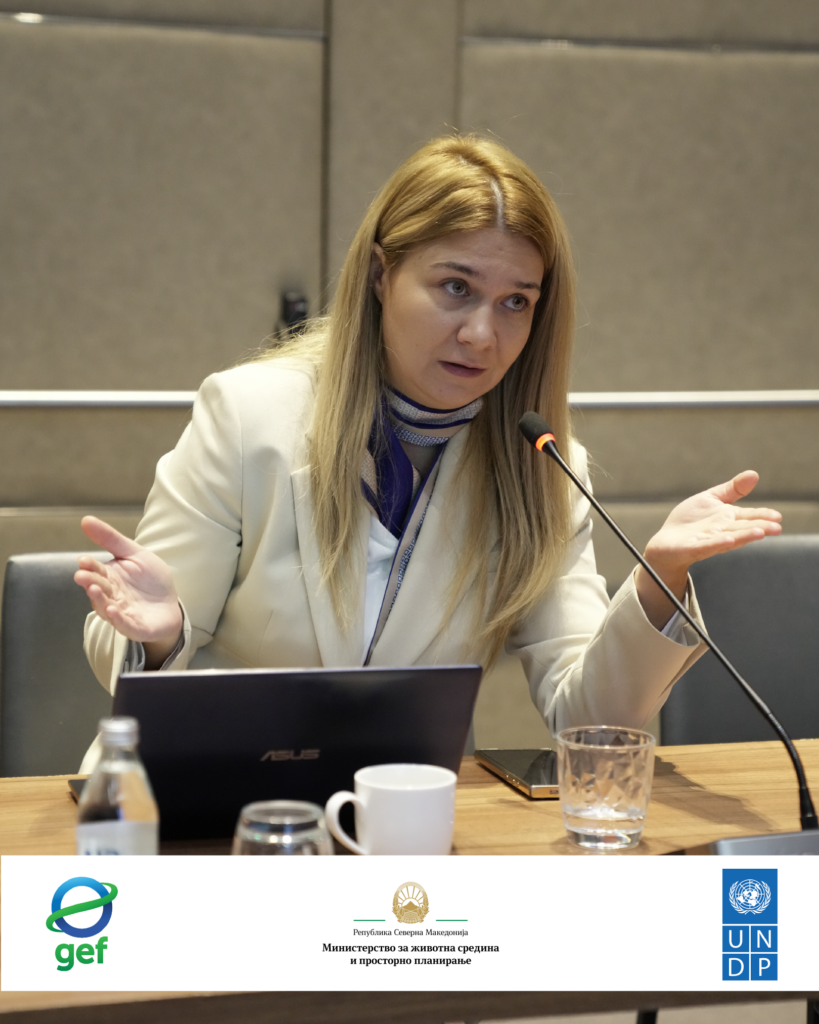
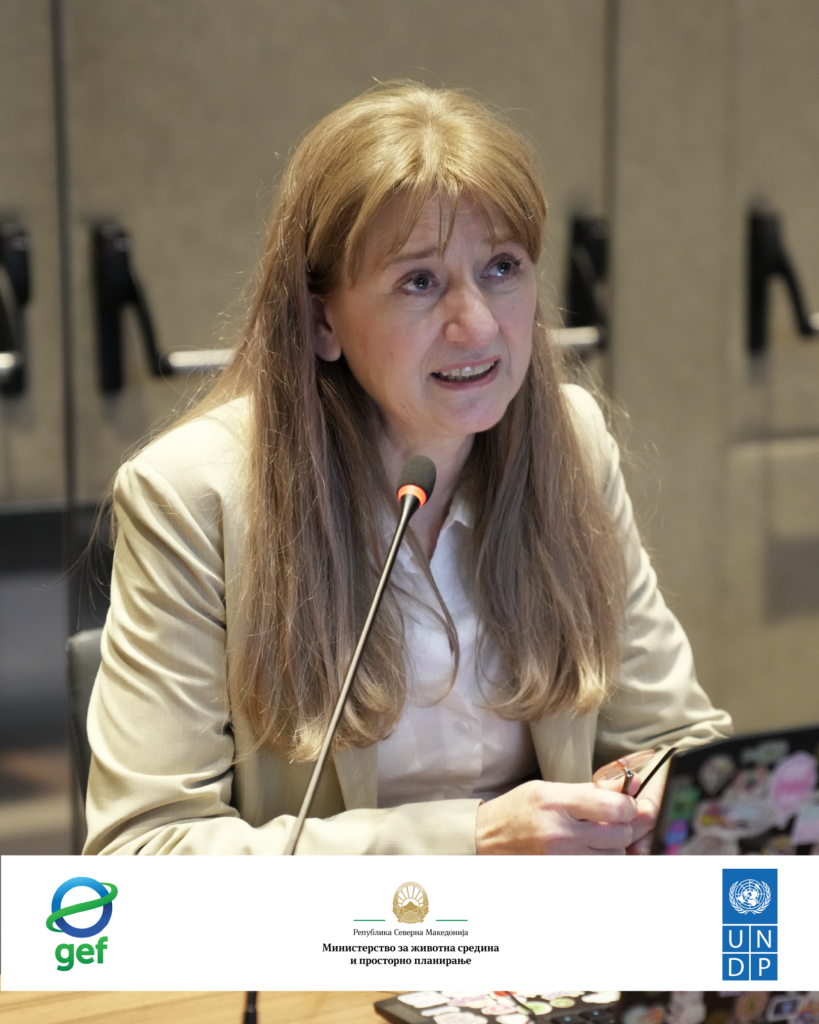
A significant part of the workshop was dedicated to open discussions and interaction. Through active participation, representatives of institutions, non-governmental organisations, the private sector and other stakeholders had the opportunity to raise questions, examine the practical aspects of the proposed legislative provisions and discuss challenges related to their future implementation.
The workshop was attended by approximately 40 stakeholder representatives. The event marked another step towards strengthening institutional and technical capacities in the field of climate action, contributing to a better understanding of the institutional roles, responsibilities and mechanisms required for the effective implementation of national climate policies and fulfilment of the country’s international obligations.
The project is supported by the Global Environment Facility (GEF), with the United Nations Development Programme (UNDP) serving as the Implementing Agency, the Ministry of Environment and Physical Planning (MoEPP) as the Implementing Partner, and IPECC as one of the engaged parties responsible for implementing part of the project activities.